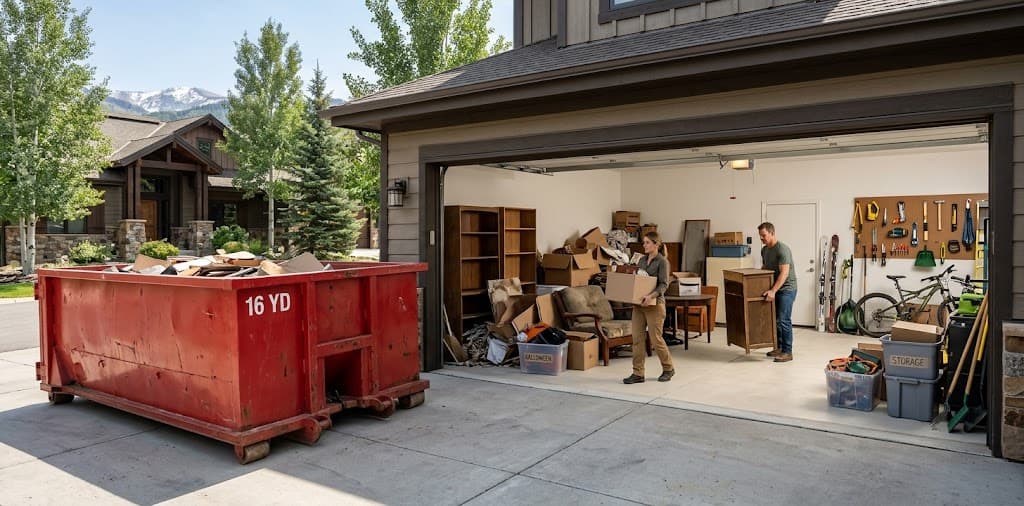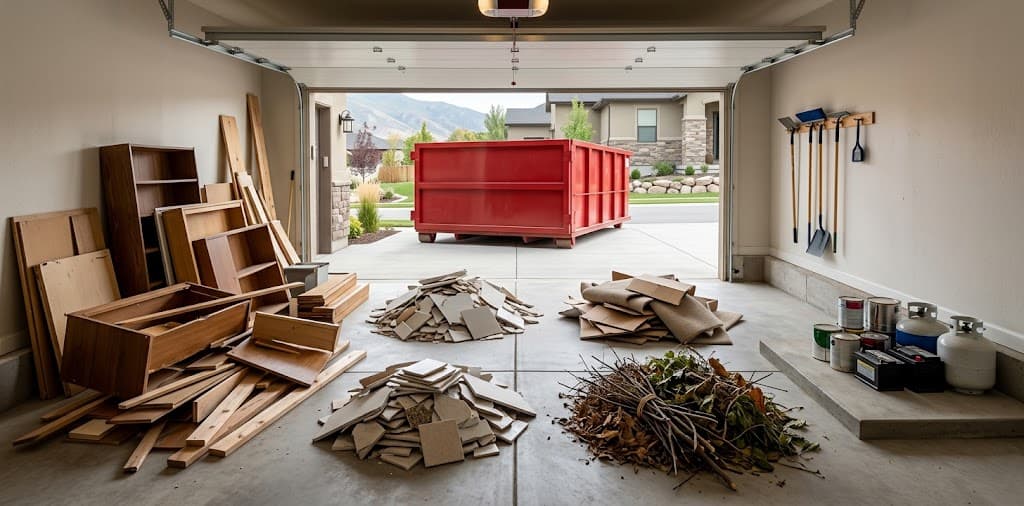
A garage shelf can hold old paint, batteries, broken tools, and scrap wood within a few feet of each other. They may look like one pile when you’re cleaning, but they don’t all belong in the same container. Knowing what can go in a rental dumpster in Park City helps you estimate the load and plan separate disposal before the container arrives. Sort by material first, then check any items you’re unsure about with the rental team.
Start with ordinary household debris
Park City Dumpster lists common household junk and furniture among the materials its containers can handle. Broken shelves, worn tables, and other pieces that have reached the end of their useful life are good starting points for your inventory. Take a second look at anything you might still donate, repair, or reuse before it goes into the discard pile. A smaller, better-defined pile is easier to describe when you ask for a quote.
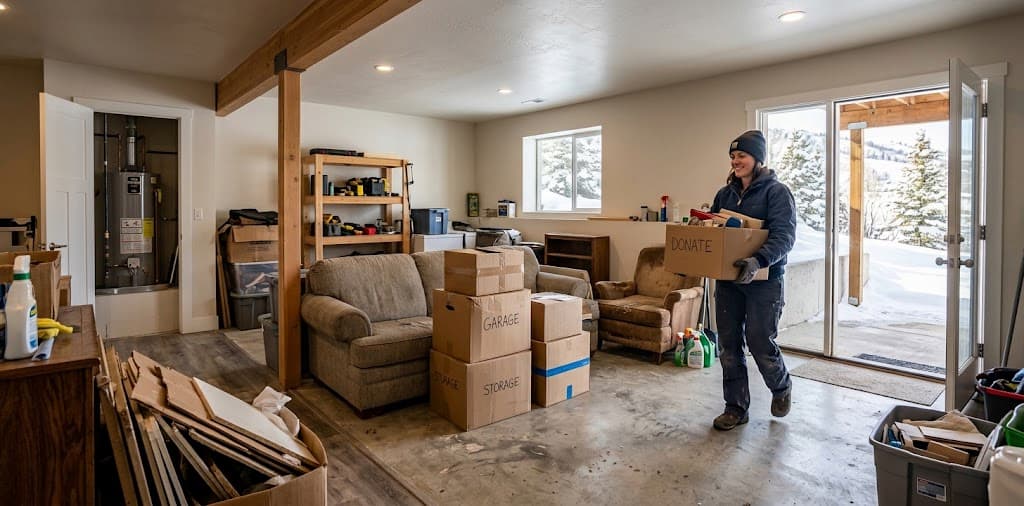
Empty drawers, bins, and boxes before you decide how to dispose of them. A desk can conceal batteries, a drawer full of documents, or items that belong to someone else in the household. Keep anything awaiting a decision in a marked spot away from the loading route. This is especially useful when several people are helping, and only one person knows what was stored where.
Describe renovation debris by material
Nonhazardous construction debris is another common use for a 16-yard dumpster. Trim, cabinet boxes, and some flooring may be straightforward to describe, while tile, masonry, and other dense materials deserve a separate conversation about the load. Tell the rental team how much of each material you expect and whether it will be mixed with other debris. A project label such as bathroom remodel gives context, but the actual materials determine the questions you need to ask.
Check with your contractor if demolition uncovers something that wasn’t on the original list. Have the crew identify unfamiliar material and decide how to handle it before you include it in the dumpster load. Record any changes in the type or amount of debris so everyone is working from the same plan. If the material changes, call the rental team before loading it.
Keep plant debris and dense landscape material separate
Park City Dumpster lists yard waste as one of its common uses. If you’re clearing branches or shrubs, estimate the pile after setting aside tools, containers, and items you plan to keep. Note whether the branches can be arranged flat or whether their shape will take up more room than the pile suggests. If a landscaper is hauling part of the debris, exclude that portion from the dumpster estimate.
Separate soil, rocks, and concrete while you sort and ask the rental team about each one. Those materials can be much heavier than a pile of plant debris of similar size. Explain where they came from, approximately how much there is, and what else you expect to load. Get the answer before anyone mixes the piles, when changes are easier to make.
Set aside restricted items before loading
The company’s website lists tires, paint, hazardous chemicals, batteries, and propane tanks among the materials it cannot accept. Put those items in a separate area and arrange appropriate disposal before cleanout day if possible. Leave unfamiliar or unlabeled containers out of the load until you know what they hold and how to handle them. Tell anyone helping with the cleanup where these items are so they don’t accidentally end up in a box of ordinary debris.
Ask about appliances individually, especially equipment that may contain refrigerant. A refrigerator, for example, calls for a different disposal question than a piece of ordinary household furniture. Check whether a retailer or installer offers removal if you’re replacing the appliance. Have its type or model handy when asking what disposal route is appropriate.
Give everyone the same loading instructions
Write a short list of the materials approved for your project and share it with everyone who will use the container. Put questionable items in a holding area and assign one person to contact the rental team about them. This is useful when a contractor and household members are both working at the property. Without a shared list, a pile someone sets aside for review can look like debris ready to load.
Check the container as you work to keep the material below the fill line. Break down suitable items where practical and leave enough room for any larger pieces you know are coming later. If someone adds a second project to the plan, describe its debris to the rental team before mixing it into the existing load. A quick check halfway through can prevent a difficult sorting job on pickup day.
Sort a mixed load before delivery day
Imagine you’re clearing a shed and replacing some shelving on the same weekend. You might have broken furniture, untreated scrap wood, branches from around the shed, and old containers left from previous projects. Make separate piles for these groups and review the containers before anyone starts hauling items. Once you know what the rental team can accept, put an example of each approved material on your list so helpers have something concrete to check.
Think about what the job could produce after the initial cleanup. Taking down shelving can reveal old supplies behind it, and clearing shrubs can uncover edging or blocks that were buried in the soil. Keep enough room in your staging area to sort those finds as they come up. Call the rental team if the newly uncovered items are different from the materials you described when booking.
Photograph your piles if the mix is difficult to explain by phone. Show the largest pieces and take a separate picture of any dense material. Keep the photos.
Confirm your load with Park City Dumpster
Have your address, dates, and a short description of the main materials ready when you call. Mention unusually heavy debris, appliances, or items you still need to identify. Contact Park City Dumpster at 435-659-6882 to confirm what can go in your rental dumpster and ask whether a 16-yard container fits your job. Once the materials are confirmed, share the plan with everyone who will help sort and load.