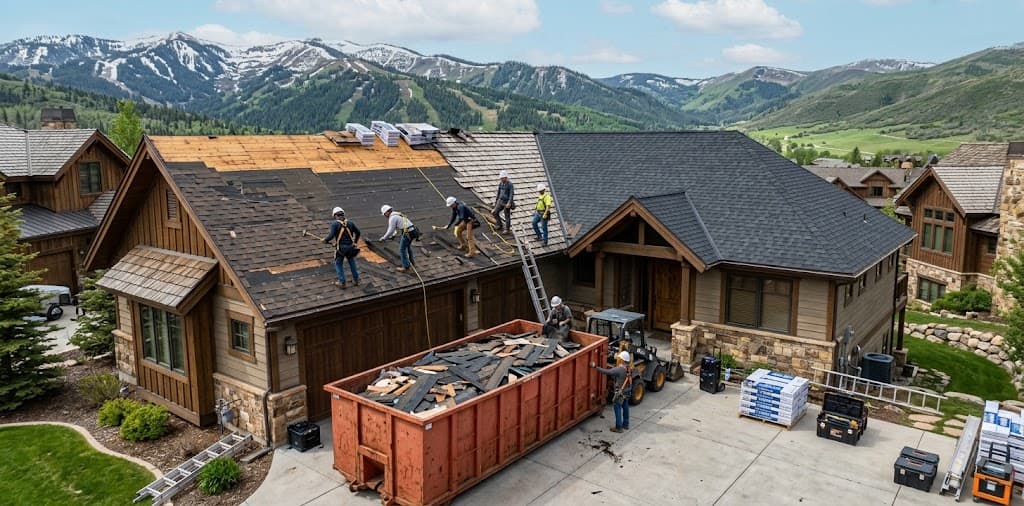
Roofing debris begins accumulating as soon as the first section comes off. Shingles, underlayment, and damaged decking can quickly crowd the area where the crew needs to stage tools and receive new materials. A roofing dumpster rental in Park City, Utah, works best when the roofer and the rental team agree on what’s coming off and where the container should sit. Use the tear-off plan to guide the rental dates, placement, and loading.
Find out what the roofer will remove
Ask your roofer whether the job involves a small repair, a partial tear-off, or a full roof replacement. Confirm which roof sections are included and whether there may be more than one layer of shingles. Also ask whether the crew may need to replace damaged roof decking once they see what’s underneath. Give the rental team the roofer’s estimate along with any materials that may be added after work starts.
Roof debris can include flashing, old vents, packaging, and other materials in addition to shingles. Ask the roofer which materials it can separate and which it expects to load together. If a detached garage or shed is also being reroofed, include that work in the estimate before you book. A small second roof can add enough material to affect the plan for a nearly full container.
Discuss weight as well as volume
Shingles can be dense, especially when several layers come off at once. A container may look like it has room, but the load may still require closer review. Ask your roofer for their best estimate of the tear-off and share it with the rental team, along with the roofing material type. Confirm any project-specific loading instructions before the crew begins.
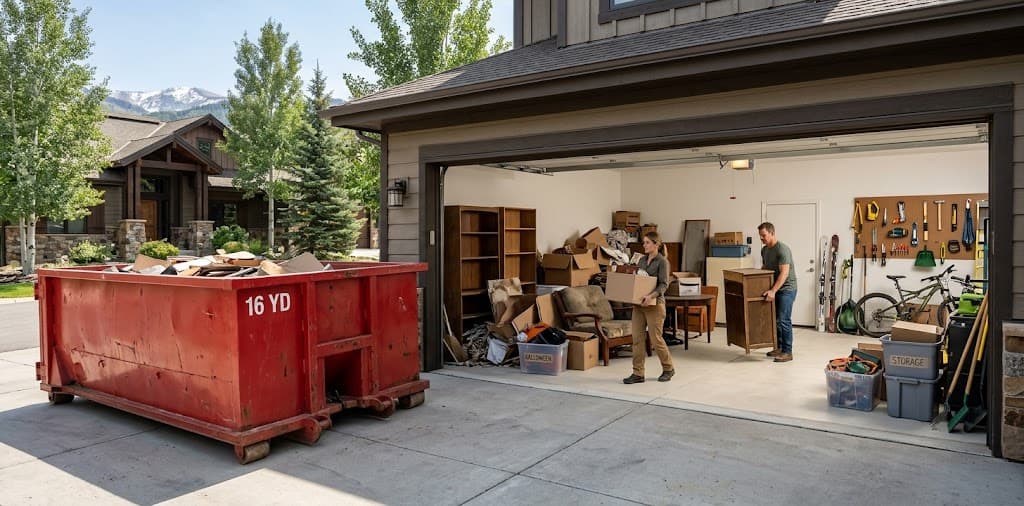
Park City Dumpster lists roofing shingles among the materials it can handle and offers a 16-yard container. Whether that container suits your project depends on what the roofer is removing and how much debris the work will generate. Describe the job before assuming that material from every roof section can go into one load. If the scope changes, update the rental team before filling the remaining space.
Choose a spot with room for the other work
Walk the driveway with the roofer and identify where it expects to stage tools, ladders, and replacement materials. Compare that layout with the area the dumpster truck will need to access to drop off the container. Look for a level spot and mention any steep grade, narrow turn, low branch, or overhead line that could affect access. Share a photo if a driveway feature is difficult to explain over the phone.
Discuss whether new shingles or other materials will arrive while the dumpster is on site. Ask both companies where their trucks will need room and whether deliveries can happen on different days if space is tight. Keep household vehicles away from the area where crews will move materials. Give anyone using the property a clear route in and out while the work is underway.
Schedule the rental around tear-off
Confirm the roofer’s start date before booking the container. The dumpster should be available when the crew begins generating debris, so ask when it will need to start loading and when the last load should be ready. Park City Dumpster offers a standard four-day rental period and can discuss additional days if the work takes longer. Ask how a change in the start date would affect delivery or pickup.
Agree on who will communicate if the job shifts. The person supervising the roof work is likely to learn about a delay first, while the property owner or office may be the one who booked the rental. Make sure each knows whom to call and what to confirm. That coordination matters when a change affects both the roofing crew and a truck scheduled to return for pickup.
Check the container as the roof comes off
Have the crew follow the agreed loading instructions and check the fill line during tear-off. Ask them to flag any debris that differs from the original estimate, such as an unexpected layer or more damaged decking. Keep unrelated household or yard debris out of the work area unless you’ve discussed adding it to the load. A dedicated roofing load is easier to monitor when the crew knows exactly what’s going into it.
Assess how much work remains before the crew starts the final section. If the dumpster is nearly full, call the rental team to review the remaining debris. Leave time for the roofer to collect material around the building and along the route to the container before pickup. That last check is especially helpful when the crew has been working on different sides of the property.
Plan the work if the house will stay occupied
Let household members know which doors and parking areas they can use during the roof work. Ask the roofer where debris will be moved so residents can choose a different route while tear-off is underway. Arrange deliveries or appointments around the busiest part of the work if they require the same entrance. Share the plan with anyone visiting the property so they can check in before walking through the work area.
If the work will shift from one side of the house to the other, ask the roofer when that change will happen and which entrance will be affected. Update the household’s parking and access plan as the work moves. Check whether the original dumpster placement still works for the final roof section.
Get the driveway ready for pickup
Confirm that the dumpster load sits below the fill line and the truck’s approach is open. Move ladders, trailers, and stacks of leftover roofing materials out of the approach before the truck arrives. Ask the roofer to check the surrounding area for fasteners and small scraps as part of their cleanup. If another delivery needs the driveway afterward, confirm pickup timing with both teams.
To plan a roofing dumpster rental in Park City, contact Park City Dumpster at 435-659-6882. Share the property address, tear-off dates, and your roofer’s estimate of the material. Mention any additional roof sections or heavy debris and explain how the truck will reach the proposed placement area. Ask whether the 16-yard dumpster fits the work and confirm delivery and pickup before tear-off begins.